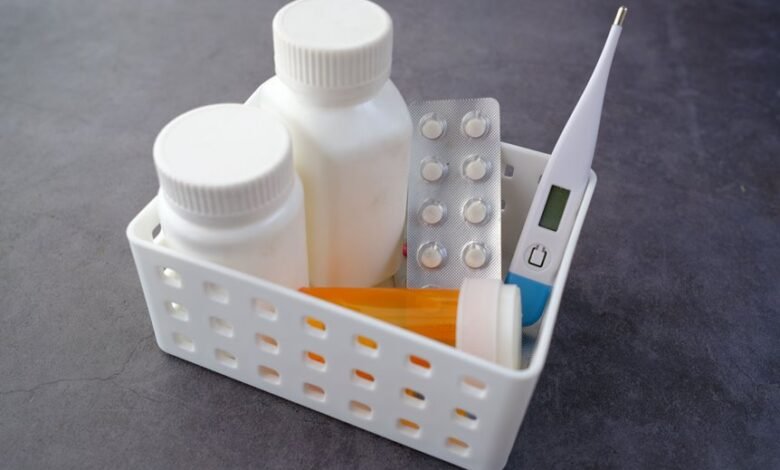
Medicine storage temperature directly influences potency and safety. Most medicines stay stable at room temperature, but certain biologics, vaccines, and liquid preparations require refrigeration or cold storage. Exposure to heat, sun, or fluctuating conditions can degrade active ingredients and reduce effectiveness. Labels and expiration guidance provide essential limits, while clinicians may offer specific storage instructions. Understanding these nuances empowers safer use; the next considerations explain which items need strict temperature controls and how to manage common scenarios.
How Temperature Affects Medicine Potency
Exposure to improper temperatures can accelerate chemical degradation in many medicines, reducing potency and potentially altering safety profiles. Temperature stability governs how compounds retain efficacy under storage conditions, with fluctuations amplifying breakdown pathways. Observed patterns include gradual potency decay in non-stabilized formulations and variable shelf-life across classes. Clear handling guidelines preserve temperature stability, mitigating potency decay and supporting reliable therapeutic outcomes.
What Needs Refrigeration vs. Room Temperature
Determining which medicines require refrigeration versus room temperature depends on the chemical stability of each active ingredient and the formulation.
Medical guidance differentiates products by refrigeration requirements and room temperature storage.
Stability data, labeling, and regulatory recommendations guide storage decisions.
Many biologics and certain vaccines require cold chains, while tablets and liquids designed for ambient conditions may be stored without refrigeration.
Handling Common Scenarios: Sun, Heat, and Travel
Sun exposure and high ambient temperatures can accelerate degradation of medicines stored outside optimal conditions, making deliberate handling essential during travel, outdoor activities, and hot climates. In practice, formulations exposed to sun exposure are at risk, particularly during heat spikes.
Travelers should minimize exposure, monitor ambient conditions, and limit prolonged outdoor storage to preserve potency and safety.
External containers warrant protection and disciplined decision-making.
How to Read Storage Labels and Expiration Guidance
Interpreting storage labels and expiration guidance requires careful attention to standardized terms and date formats used by manufacturers.
Reading labels demands recognizing lot numbers, storage conditions, and shelf life indicators.
Understanding expiration entails distinguishing have-lot and best-by hints, cross-referencing product inserts, and noting manufacturer guidance.
This evidence-based approach supports informed decisions while preserving efficacy, safety, and freedom to choose dated materials appropriately.
Practical Home and Clinic Tips for Safe Storage
Practical home and clinic storage of medicines benefits from routine, clearly defined practices to maintain potency and safety. Systematic storage labeling clarifies contents, dates, and handling, reducing mix-ups. Temperature monitoring ensures drugs remain within recommended ranges, prompting timely relocation if fluctuations occur. Regular inspections detect leaks or degradation, while organized shelving minimizes exposure to light and moisture. Documentation reinforces accountability and informed usage.
Frequently Asked Questions
How Long Can Medications Stay Usable After Being Briefly Warm?
Disregarded brief warmth typically does not render medications unusable immediately, but stability is compromised over time. Medical products require testing for specific formulations; generally, brief warmth may marginally reduce potency, so consult labeling, pharmacist guidance, and product stability data before use.
Do Over-The-Counter Supplements Require Same Storage Rules as Meds?
OTC supplements generally follow similar storage guidance as meds, though specific rules vary by product; a meds vs supplements storage comparison shows protection from moisture, heat, and light remains important, with expiration dates and manufacturer labels guiding use.
Can Sunlight Exposure Affect Oral Suspensions Differently Than Tablets?
Sunlight exposure can affect oral suspensions differently than tablets, with greater potential for sunlight stability issues in suspensions; packaging protection and light-resistance materials are crucial to mitigate degradation and maintain efficacy.
Are There Temp Guidelines for Medicines in Cold Climates or Freezers?
“Temperatures matter,” says the guidance: cold climate storage exists, and adherence to labeled ranges is essential; freezer guidelines apply to specific products. In practice, the article notes strict, evidence-based limits for medications stored in cold environments.
Should Home-First-Aid Kits Track Medicine Storage Duration Separately?
Home-first-aid kits should track storage duration separately, as this aids safety and efficacy; implement consistent labeling practices to reflect expiration timelines and storage conditions, supporting informed usage while maintaining autonomy and evidence-based decision-making.
Conclusion
Storage conditions directly influence medicine potency and safety. Temperature fluctuations, heat, and light can degrade active ingredients, while improper refrigeration can compromise stability. The evidence supports following labeled guidance for each product, distinguishing refrigerated biologics and certain liquids from ambient-stable tablets. In exploring the theory that minor, temporary deviations are inconsequential, current data indicate even short exposures outside recommended ranges can reduce efficacy. Therefore, rigorous adherence to storage labels and routine checks remain essential for optimal outcomes.